
Blog and technical guides
Growing methods, markets and field experience on miscanthus, paulownia, bamboo and other biomass crops, from the nursery team.
-
Growing guides
Paulownia groats, quality criteria, cutting schedule, precautions
Short answer: a paulownia log is valued mainly on three points: the diameter, the length of knot-free log and the absence of defects (curvature, forks, splits,…
Read the article → -

Growing guides
Paulownia in agroforestry: planting, lines, access, mechanization
Short answer: a “successful” line of paulownia is not designed starting with a species, but with the width of your machinery. You set the row spacing…
Read the article → -
Supply chain
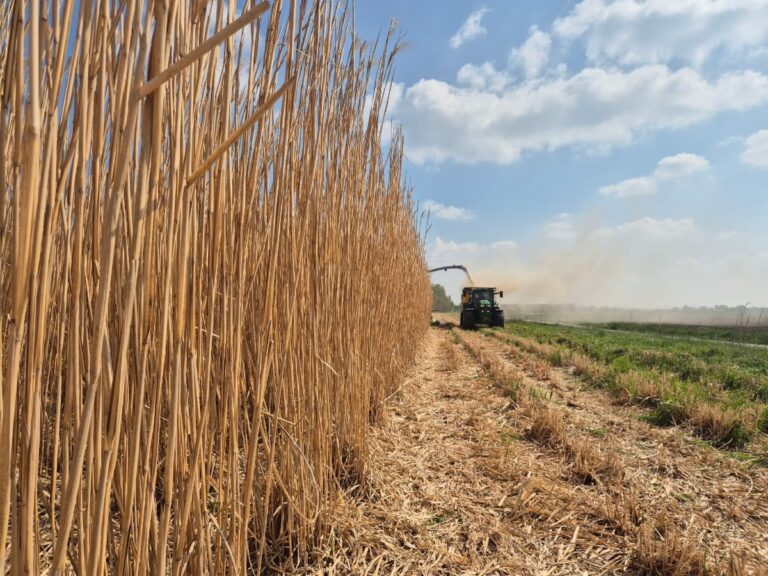
100 ha of Miscanthus in Northern France
Biomass is becoming a strategic resource. As we move away from fossil fuels, renewable heat is the most "actionable" project for our regions. Cap National (SNBC)…
Read the article → -
Markets
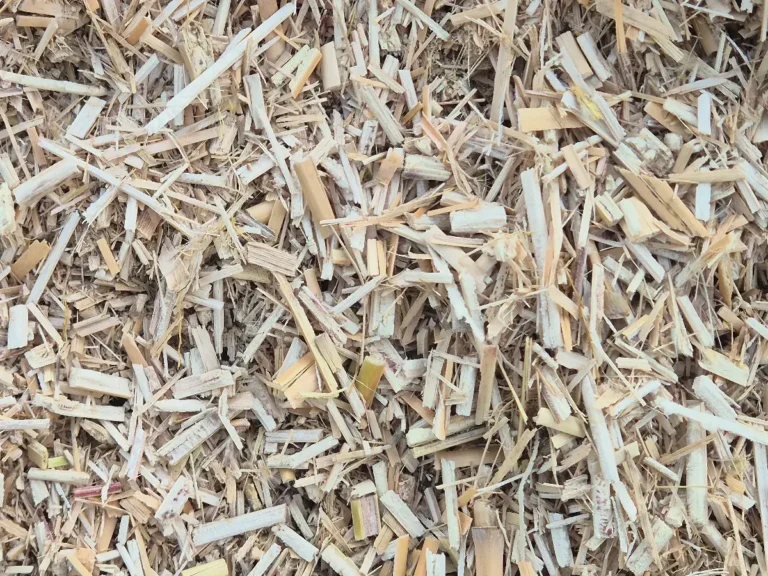
Miscanthus mulch: Benefits and production guide
Miscanthus mulch is the star of gardens: pH-neutral, stable and aesthetically pleasing, it brightens up flowerbeds. Discover its uses and how to produce your own.
Read the article → -
Growing guides
Irrigation and fertilization of Paulownia
Good draining soil is the basis. But to achieve its growth objectives (3 to 5 m per year), Paulownia needs to be managed as an intensive…
Read the article → -

Growing guides
Tracking or non-tracking bamboo: which to choose for rapid growth?
Practical guide - Fast growing hedges - Biomass - Rhizome control Example of a plant - Trailing bamboo (Phyllostachys) 🎋 Tracing (Phyllostachys): volume + speed 🌿…
Read the article → -

Growing guides
Where to plant a paulownia: location, distances, networks, neighbourhood
The choice of location determines the result. A well-placed paulownia is easy to manage. A poorly placed paulownia creates constraints: access, maintenance, competition, neighbor conflicts, easements.…
Read the article → -
Growing guides
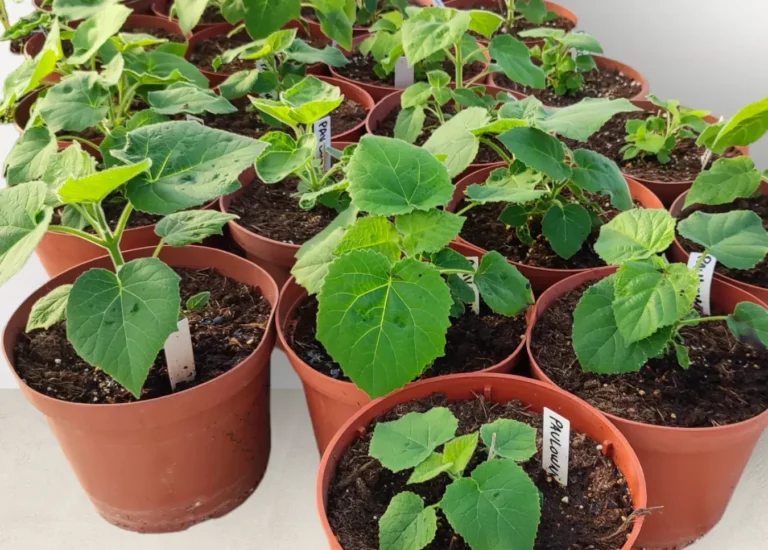
When to plant paulownia?
Paulownia is the fastest-growing tree in the world, able to produce timber or biomass in record time. But that performance depends on one crucial factor: the…
Read the article → -
Agricultural innovation
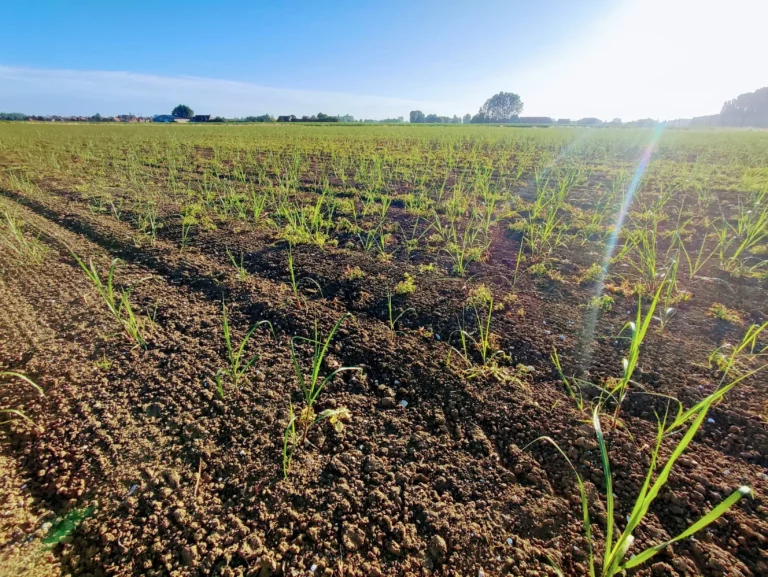
How profitable is miscanthus?
In an agricultural context marked by volatile cereal prices and rising input costs, Miscanthus x giganteus is establishing itself as a strategic alternative. Beyond its agronomic…
Read the article → -

How to plant Miscanthus?
Miscanthus Giganteus, nicknamed "elephant grass", is a perennial grass. Native to Asia, this plant adapts perfectly to European climates. Today, it is cultivated for use in…
Read the article → -

Agricultural innovation
Paulownia short rotation coppice (TCR)
Paulownia - biomass - short rotation coppice Direct answer: paulownia TCR is feasible, but yields vary greatly depending on the site. Without deep soil and water…
Read the article → -

Agricultural innovation
5 alternative crops to diversify your farm
Diversifying a farm is no longer an option, it is a resilience strategy. In the face of climate hazards and volatile cereal markets, introducing perennial crops…
Read the article →