
Where to plant a paulownia: location, distance from buildings, utilities, neighbours
Useful distances, wind exposure, risk areas (buried utilities, boundaries), and guidelines to secure the plot from the start.
Read the article →This page brings together the key guides for a successful paulownia plantation in France: site selection (soil, drainage, wind), managing the first two years (water, late frost), management (pruning, limbing), agroforestry, and making the most of paulownia timber (logs, sawn timber, uses, energy wood).
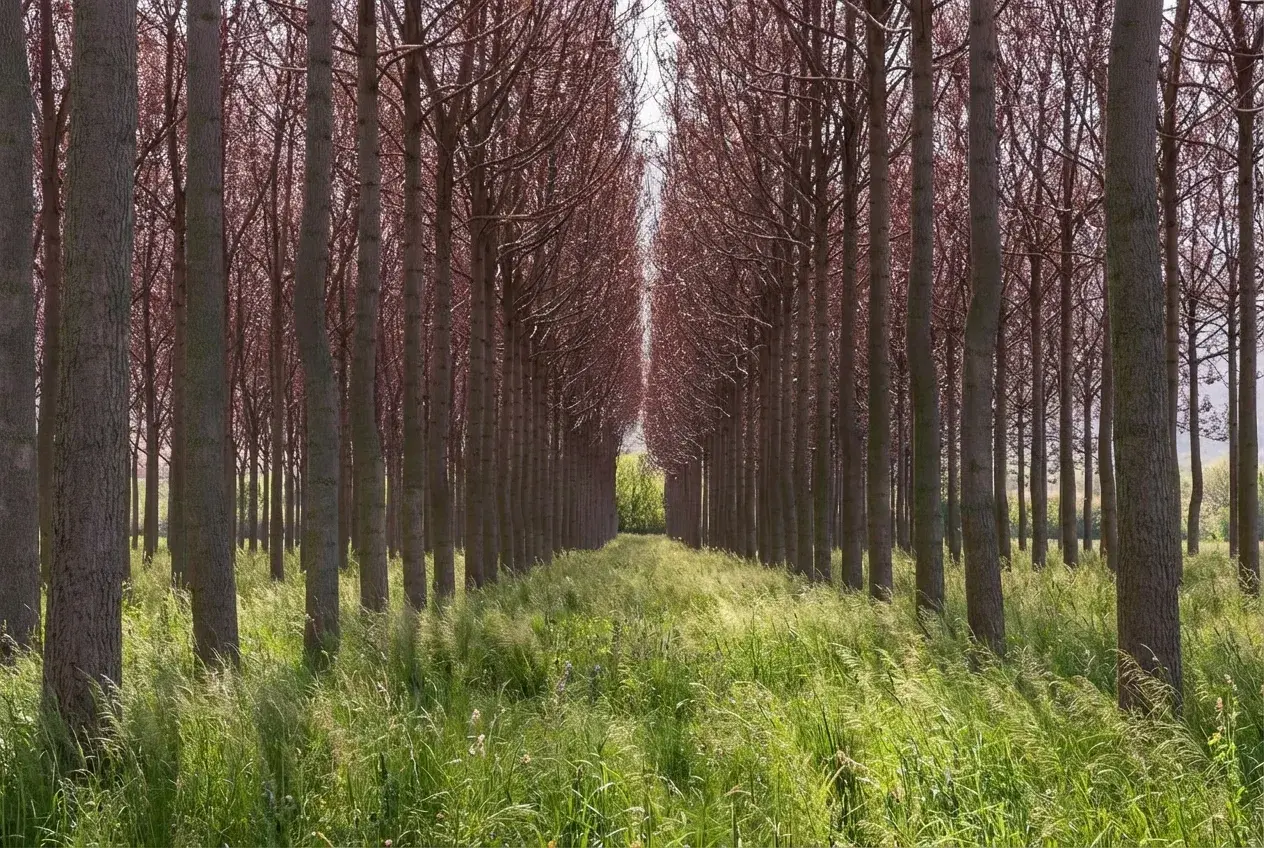


Goal: avoid “irreversible” mistakes (unsuitable soil, wrong location, neighbourhood constraints). Start with choosing the location, check the vigilance framework, then set your expectations with growth in France.
Useful distances, wind exposure, risk areas (buried utilities, boundaries), and guidelines to secure the plot from the start.
Read the article →Clarifying “invasive”, understanding the real risks (seedlings, edges), and adopting responsible management for the local context.
Read the article →What makes (or breaks) establishment: water, soil, late frost, wind, grass competition. A solid foundation before investing.
Read the article →The value of paulownia timber depends on trunk quality (straightness, knots, diameter), the time of felling, then processing (sawing, drying). To frame your strategy, start with the log criteria, then see the price benchmarks.

The same tree can end up as a premium log, as standard sawn timber, or as energy wood. For a complete overview: prices and markets, log checklist, and the limits of firewood.
Understanding what drives the price: grading, diameter, defects, drying, sawing, and the gap between “standing” and processed timber.
Read the article →Straightness, knots, wounds, splits: the criteria that move a log towards higher-value uses.
Read the article →A light wood: useful as a supplement and for using offcuts, but rarely ideal as the main firewood by the stere.
Read the article →The number one lever in the first two years is securing the plantation: well-drained soil, fast rooting, and simple protection against wind and late frost. To build a robust growing plan: soil and drainage, irrigation and fertilisation, then pruning and limbing to aim for a marketable trunk.
Identify at-risk soils (waterlogging, compaction), choose the location, and prepare the plot for even establishment.
Read the guide →Intervention calendar, key techniques, and common mistakes that degrade quality (forks, knots, straightness).
Read the guide →Practical guidelines for deciding (available water, water stress), limiting losses, and stabilising early growth.
Read the guide →
For a biomass scenario (wood chips), see: paulownia short rotation coppice (SRC).
In agroforestry, the point is not just to plant trees: you need to preserve mechanisation, limit shading, manage water competition, and keep the plot simple to farm. To frame a realistic design: agroforestry with paulownia, then soil and drainage conditions, and finally planting windows.
Planting rows without hindering machinery passes: widths, access, wind management, and agronomic consistency.
Read the article →The non-negotiable for long-term success: drainage, soil structure, and avoiding waterlogged areas.
Read the article →Choosing the right time to limit losses: warmed soil, end of frosts, and managing establishment in the first weeks.
Read the article →For an energy self-sufficiency approach, also see: biomass energy self-sufficiency and paulownia SRC.
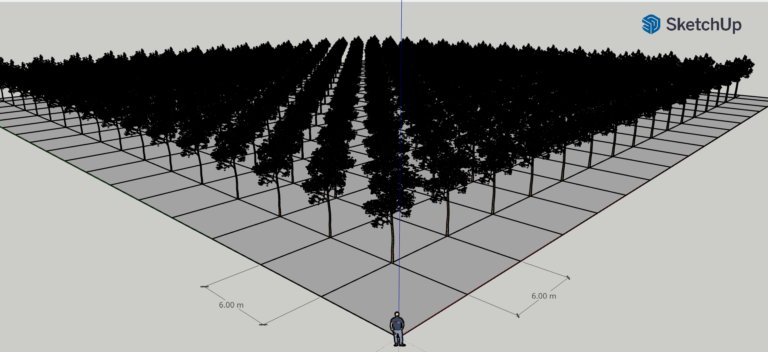
Technical and economic study of the project
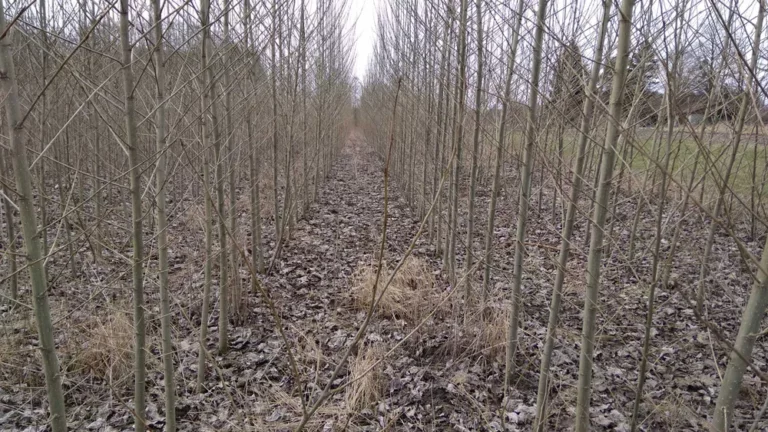
To be studied according to project, from 5 hectares
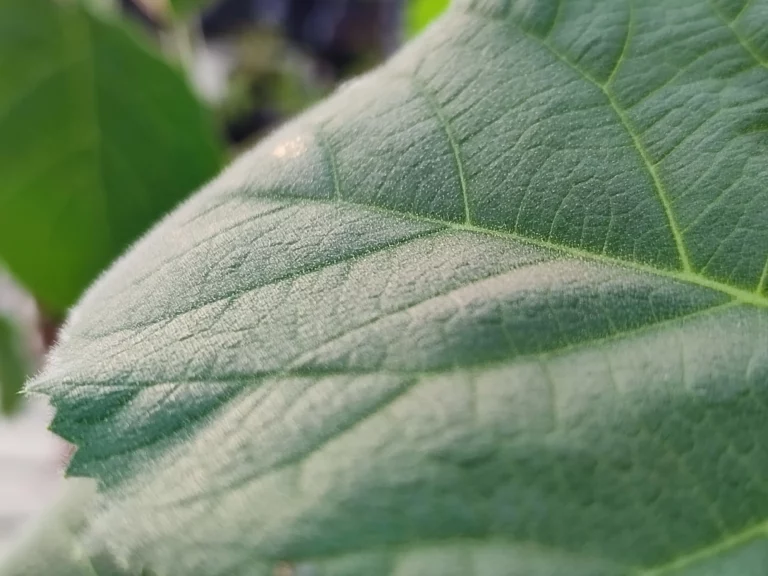
ITK support and phytosanitary monitoring.

The main uses for Paulownia wood are set to expand in the future, given the growing tensions on the timber market. Paulownia is a profitable perennial crop when intelligently included in a farm’s agricultural mix.
To prepare for cultivation on your farm, we strongly recommend that you carry out a preliminary adaptation test, on several varieties, under several conditions.
Appearance: Paulownia wood has a light hue, oscillating between a soft shade of honey yellow and a pale shade of gray. Its shiny surface is marked by wood veins, the result of growth rings.
Flammability point: Paulownia wood has a flammability point of 420°, almost double that of other firewood (270°). Although not a crucial factor in the use of wood as fuel, it is a considerable advantage in sectors where fire resistance is essential.
Weight: With an average weight of 300kg per m3, Paulownia wood is among the lightest in the world. For comparison, oak wood has an average weight of around 580kg per m3, and spruce 470kg per m3. Thanks to its strength and lightness, Paulownia is favored in sectors where weight is a determining factor, such as boat, aircraft and caravan construction.
Texture: Due to its low density, Paulownia is a soft wood. It is fairly easy to work with, but remains sensitive to scratches and scuffs. To prevent them, the wood must be treated.
Drying: Depending on the intended use, wood can be air-dried or kiln-dried to a moisture content of 10-12%. It has a low moisture reabsorption rate, meaning that once dried, the wood does not reabsorb moisture, enabling it to retain its shape. Because of its sound properties, it can be used to make musical instruments. Paulownia wood does not absorb unwanted odors or flavors. As it is odorless, it can be used as food packaging.
Turnkey project
Feasibility study, field visit, planting service, crop management plan and help with selling your harvest.
Newsletter
New products, technical articles, growing guides: one email a month at most.
