5 alternative crops to diversify your farm
5 Alternative Crops to Diversify Your Farm
Beyond annual arable crops, solutions exist to make use of marginal land and to produce low-carbon energy or bio-based materials. Here is a technical analysis of 5 alternative crops to diversify your crop rotation.
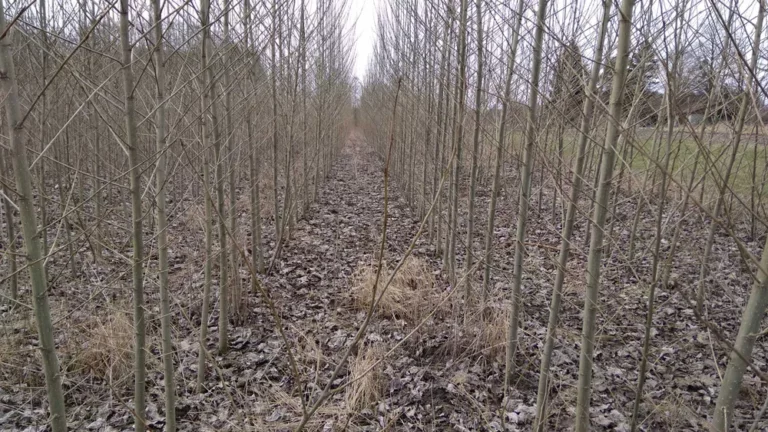
Poplar (Populus spp.) remains a safe bet in French farm forestry. Contrary to popular belief, it is not used only to make crates. The new selected cultivars offer perfect straightness for peeling (plywood) and sawing, but also for management as “SRC” (Short Rotation Coppice) for Wood Fuel.
It adapts particularly well to wetlands and alluvial valleys. Its fast growth allows a short rotation compared with conventional forest species (oak, beech).
- Production cycle: 15 to 18 years for timber.
- Outlets: Light packaging, plywood, wood fuel (tree tops).
- Profitability: National demand exceeds supply. According to the CNPF (National Centre for Forest Ownership), poplar is the leading hardwood timber production in France outside state-owned forest.
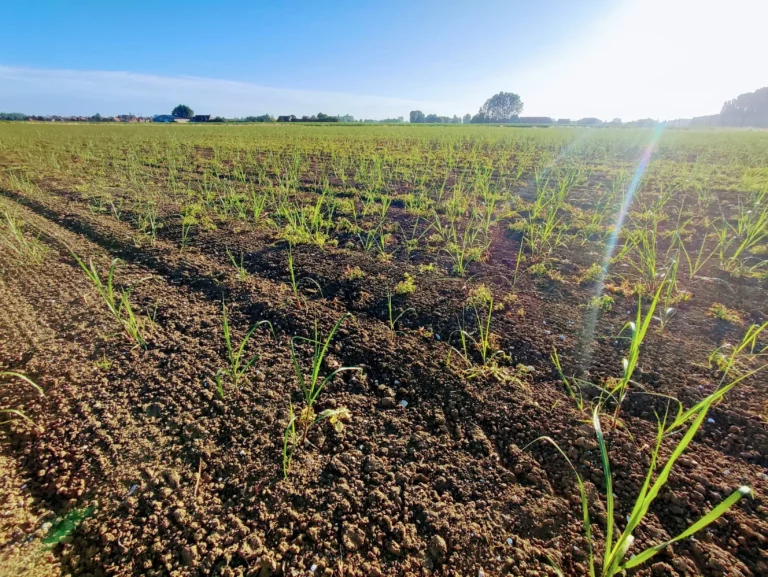
Willow is the queen species of very short rotation coppice (TTCR). It is particularly relevant for livestock farmers looking to produce their own wood chips for heating, or for local authorities running wastewater treatment plants based on planted filters.
Its dense root system makes it a formidable tool for stabilising riverbanks and for phytopurification (treatment of nitrates and livestock effluents).
- Yield: 10 to 12 tonnes of dry matter per hectare per year (tDM/ha/yr) in good conditions.
- Harvest: Can be mechanised (forage harvester) every 2 to 3 years.
- Environmental asset: According to the Aile association, willow grown as TTCR has an exceptional energy balance, returning 20 to 30 times the energy invested in growing it.
Often overlooked in agriculture, giant bamboo (Moso or Phyllostachys type) is a plant with surprising mechanical properties. Its rot-proof, strong fibre supplies the eco-construction and designer furniture sectors.
It is also a crop of choice for rapid carbon sequestration on plots awaiting development or in buffer zones.
- Longevity: A well-established bamboo grove remains productive for more than 50 years.
- CO2 capture: Up to 30% more CO2 absorbed than an equivalent broadleaf forest.
- Planting: Ideal in spring (warmed soil), with irrigation essential for the first two years.
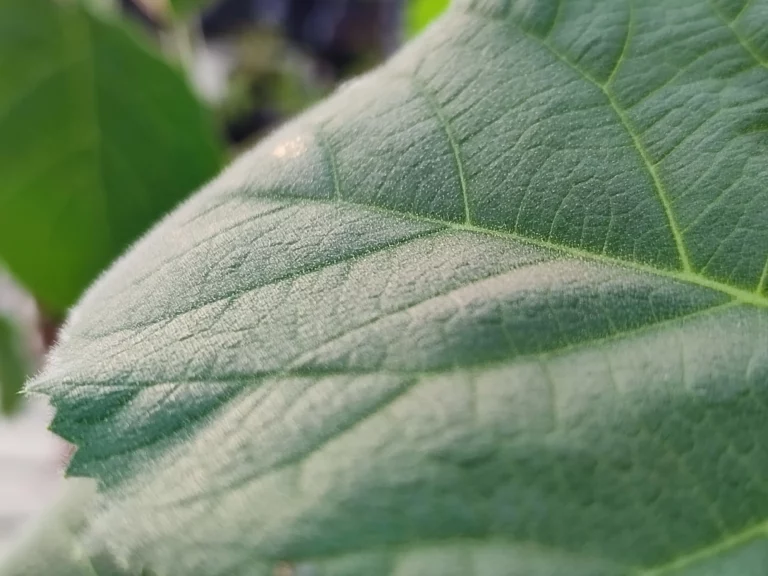
Native to Asia, Paulownia attracts justified enthusiasm for its record growth. It produces a valuable timber: very light (around 300 kg/m³), insulating and resistant to warping. It is the ideal species for fitting out caravans, boats or saunas.
For the farmer, it can be grown in agroforestry (intercropping) thanks to its taproot system, which does not compete with surface crops.
- Maturity: Felling possible from the 8th or 10th year for quality timber.
- Melliferous: Abundant flowering in spring, much appreciated by beekeepers for diversifying nectar sources.
- Precaution: Requires rigorous formative pruning (“reparage”, removal of competing shoots) in the first year to obtain a knot-free butt log.
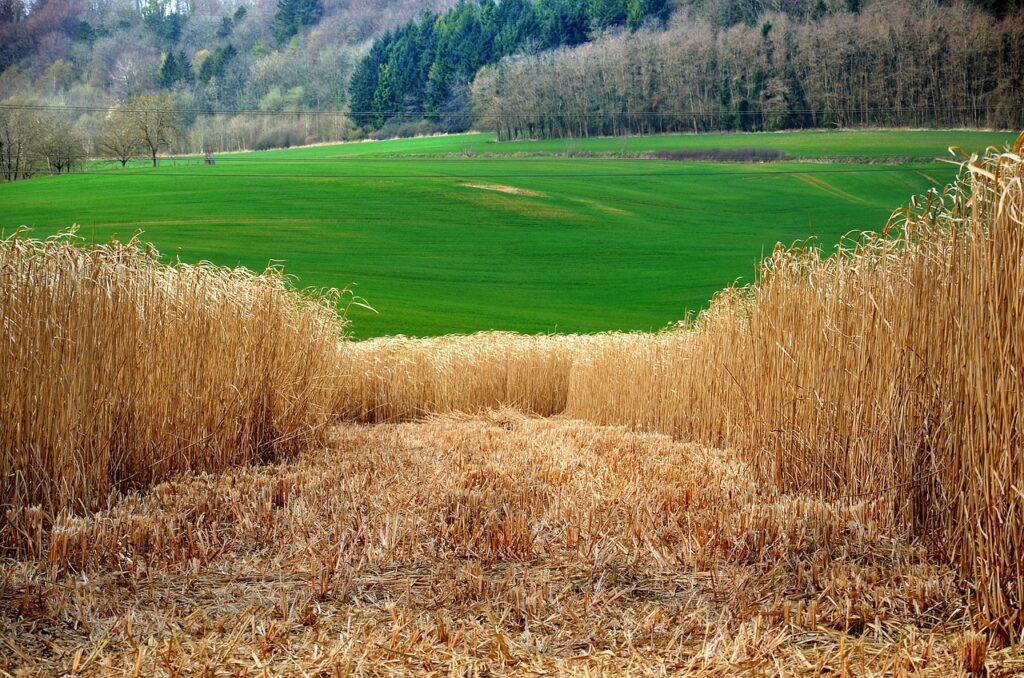
Miscanthus x giganteus is probably the easiest diversification crop to manage. Once established, this sterile (non-invasive) grass regrows every year with no need for nitrogen or plant protection products.
It offers a twofold outlet: high-performance fuel for biomass boilers, or horticultural mulch and highly absorbent animal bedding.
- Productivity: 15 to 20 tonnes of dry matter/ha/year from the 3rd year.
- Animal comfort: As bedding (poultry, cattle), it has an absorbency 3 times higher than wheat straw, according to data from the association France Miscanthus.
- Environment: Zero plant protection products after the 2nd year, effective protection of drinking water catchment areas.
Conclusion: The Agricultural Mix of tomorrow
These 5 crops are not meant to replace food-crop farming, but to complement it. They make it possible to build a robust “Agricultural Mix”, able to smooth farm income over the long term while storing carbon. At Agribiomix, we test these species to validate their technical itinerary in our regions.
Ready to diversify your farm?
Find all our certified plants and seeds directly in our online shop.
Order my plants