
Arundo Donax – Provence cane, pot P9
5,68€ 5,38€ HT
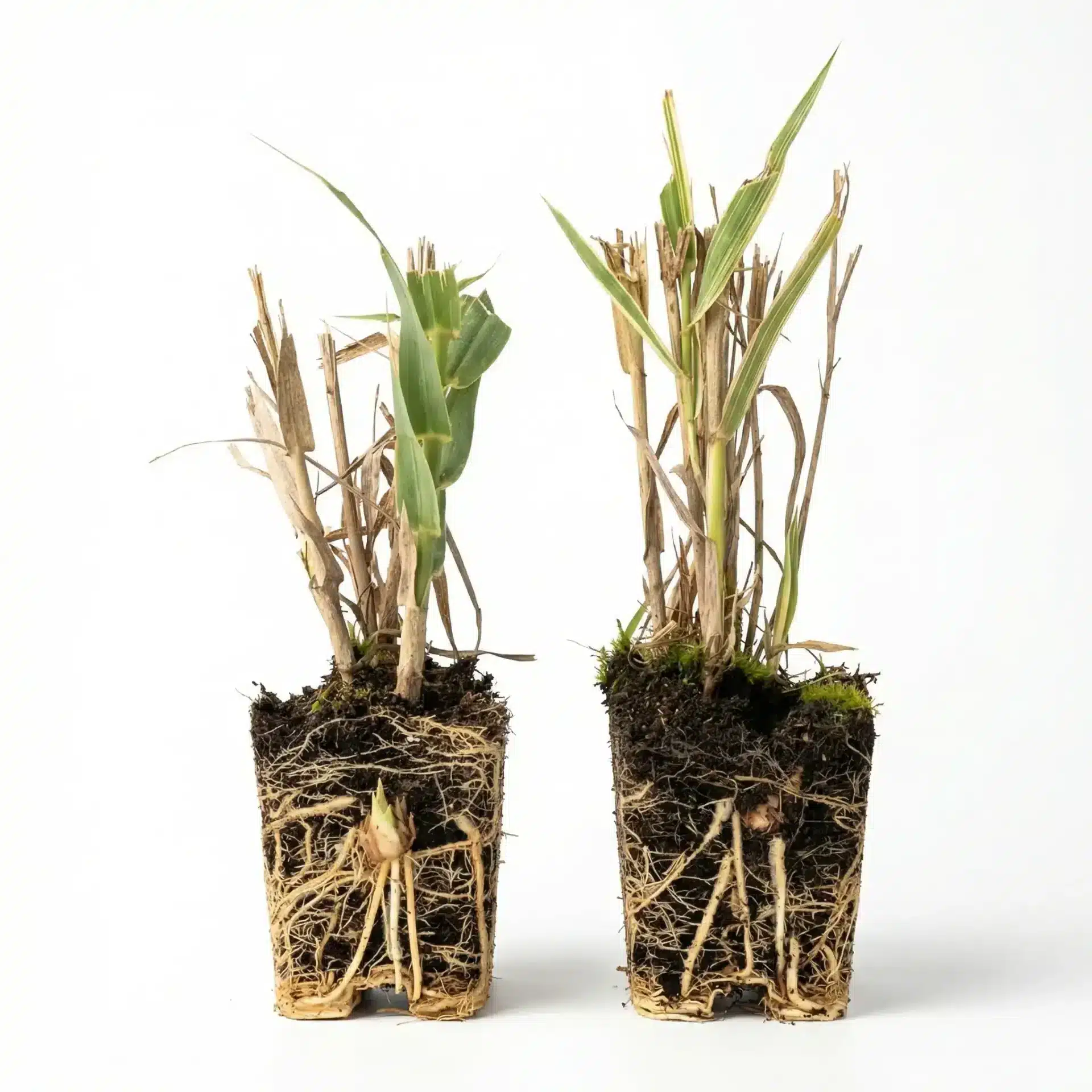
More hardy than bamboo, Provence cane(Arundo donax) offers spectacular growth. Our P9 pot plants(1 year old) have a powerful, colonized root system for guaranteed recovery.
-
Height: 3 to 6 metres (fast-growing).
-
Use: Opaque hedge from 2nd year, mulch production, biomass.
-
Hardiness: -15°C.
✅ Quantity discounts.
Arundo Donax (Canne de Provence) – Pot P9
The biomass giant. Hardier than bamboo, Arundo Donax offers spectacular growth (up to 6m). Our P9 bucket plants (9x9cm) are 1 year old, with a substrate fully colonized by roots for immediate start-up.
- Uses: Garden hedge, Biomass, Mulching
- Hardiness: -15°C (strain)
- Mature height: 3 to 5 metres
💧 Water requirements
Loves water (ideal for banks/ditches) but becomes very drought-resistant once established (deep root system).
🔥 Biomasse Record
Produces more dry matter per hectare than Miscanthus. Lignified stems ideal for shredding.
🚧 Express privacy screen
Creates an opaque plant wall from the 2nd year. Deciduous foliage but evergreen canes in winter.
Why plant Canne de Provence?
Arundo donax (also known as Giant Reed or Canne de Provence) is a giant rhizomatous grass. It’s the plant of choice for those who want volume quickly without the constraints of trailing bamboo.
1. An impenetrable hedge
Thanks to its thick canes (2-3 cm in diameter), it forms a highly effective visual and acoustic barrier.
👉 To find out more about planting techniques, see our article: Miscanthus hedge and giant grasses: the ecological privacy screen.
2. Autonomy in mulching
Every year at the end of winter, shred the dry canes. You’ll get a high-quality, carbon-rich mulch that’s long-lasting (degrades slowly) and free of charge for your vegetable garden or flower beds. It’s the same management as Miscanthus.
Technical data
| Botanical name | Arundo donax |
| Other names | Canne de Provence, Cattail reed, Giant Reed |
| Packaging | P9 pot (9x9x10cm) – 0.5 Litre – Established roots |
| Planting density | 1 plant every 80 cm to 1m (for a hedge) |
| Soil | All types, even clay and sand. Tolerates a little salt. |
| Growth | Very fast (annual cycle). Regrows every spring. |
Does it freeze in winter?
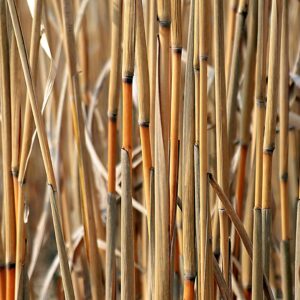
The canes dry out and turn brown in winter (this is normal), but the stump can withstand temperatures as low as -15°C. In spring, new green shoots emerge vigorously from the ground.
Should it be watered?
The first year: YES, imperative for recovery. Once established (year 2+), it seeks water very deeply and can do without watering except in extreme drought.
What’s the difference with Bamboo?
Arundo is a grass like corn or wheat. Its stems are not as hard as bamboo (easier to crush). It doesn’t keep its leaves green in winter, which lets in light during the cold season, while maintaining the screening effect of its dense canes.
| Weight | 0,120 kg |
|---|---|
| Dimensions | 9 × 9 × 9 cm |
You may also like…
Related products
-
Paulownia Elongata plants
6,54€ 6,20€ HT Add to cart Plants for Biomaterials & Eco-construction (Lumber, Insulation) -
Paulownia Shantong plants
6,54€ 6,20€ HT Add to cart Plants for Biomaterials & Eco-construction (Lumber, Insulation)