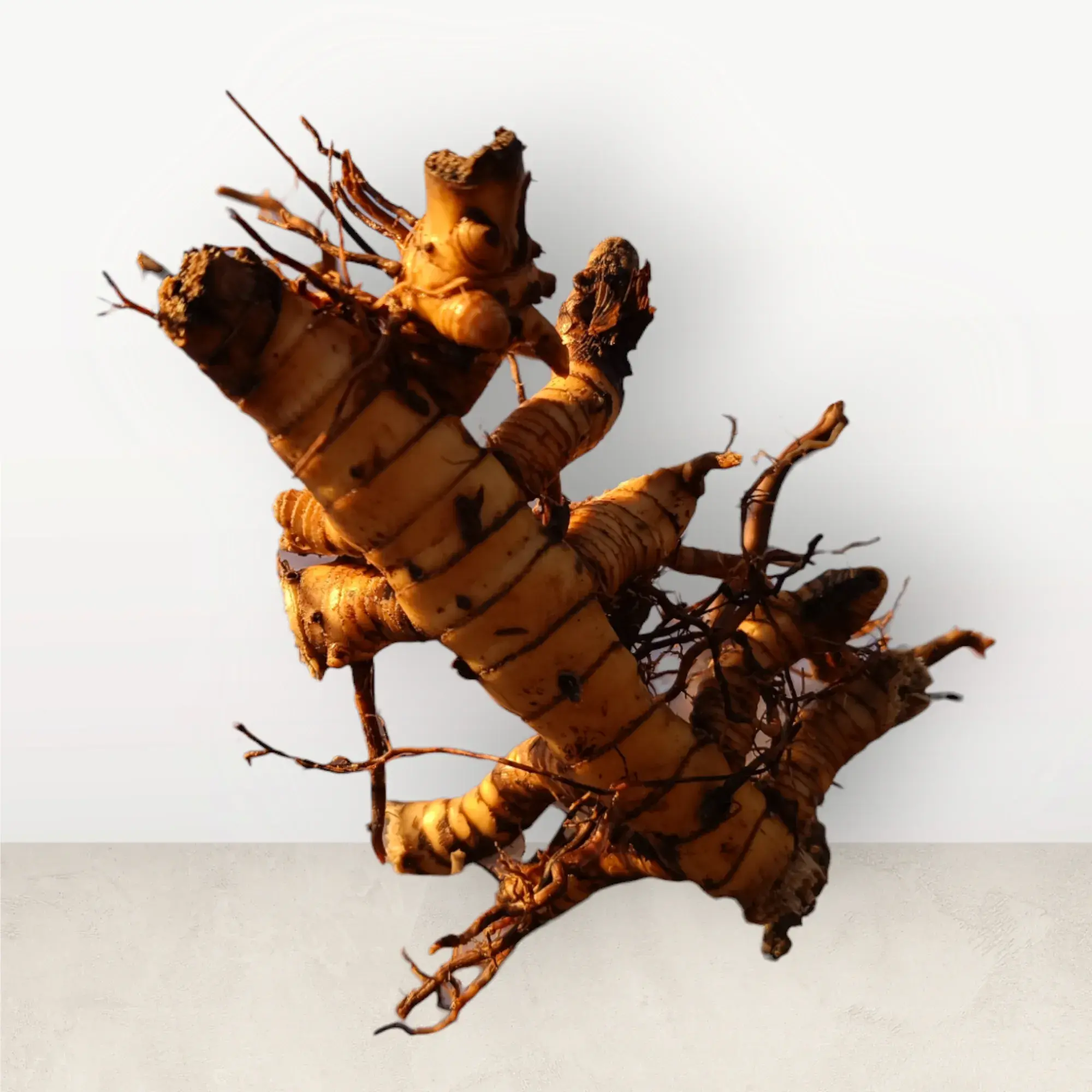
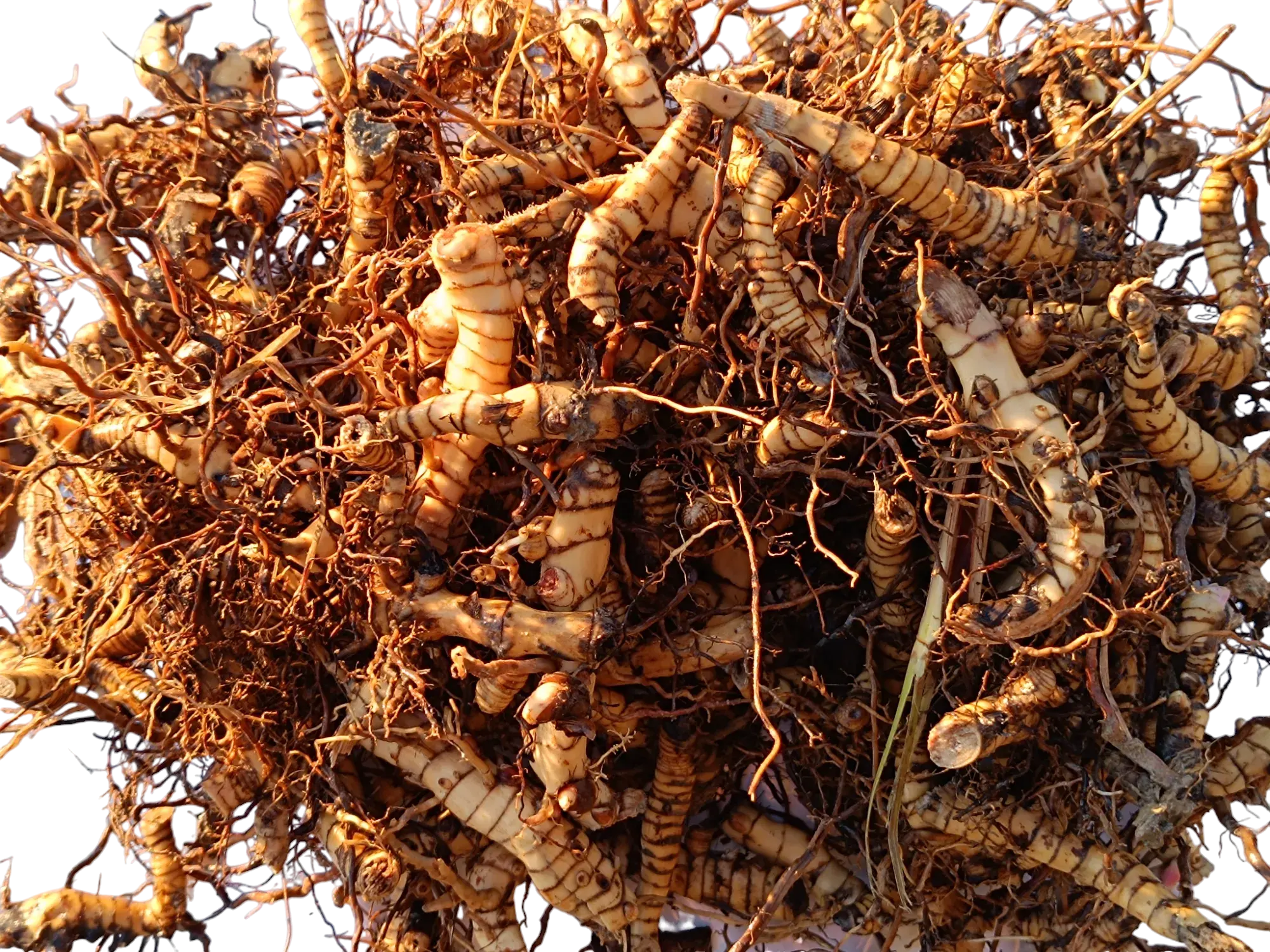
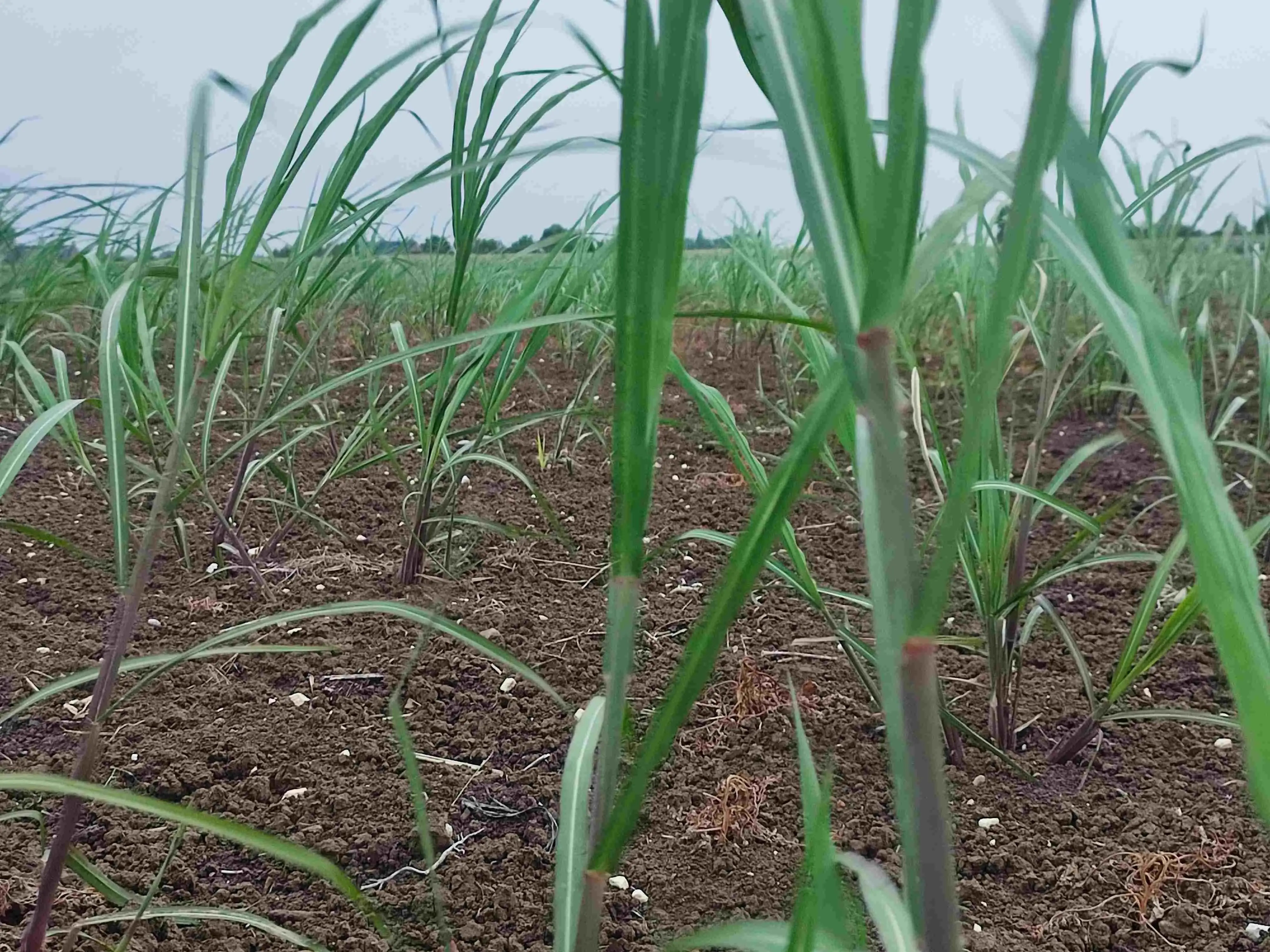
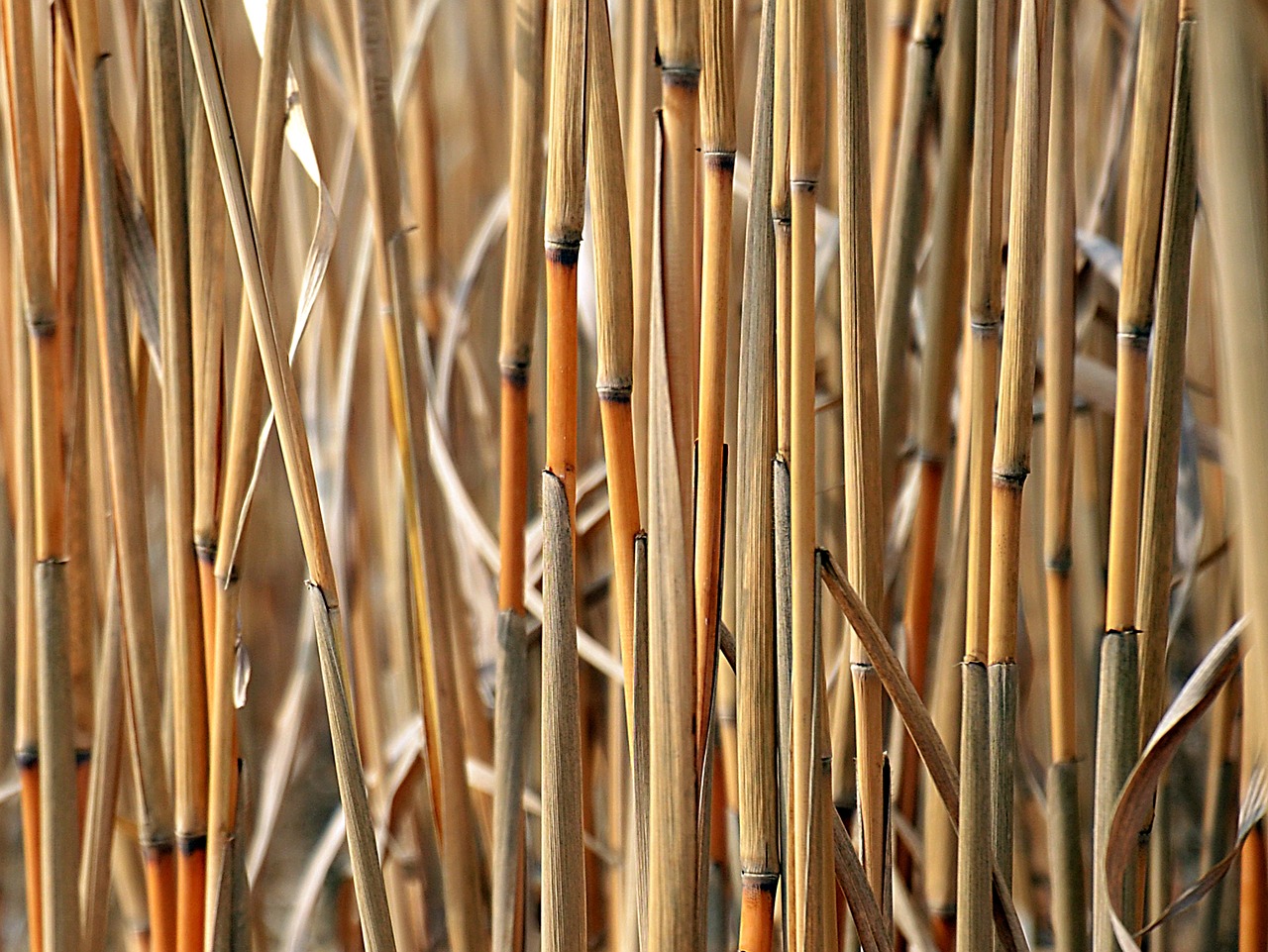

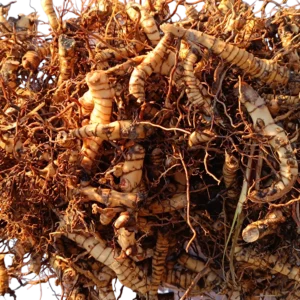
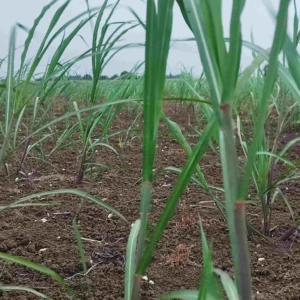

Miscanthus rhizomes
Price range: 12,66€ through 1 656,35€
For all orders registered now, delivery will take place from the end of March 2027.
- Batch of Miscanthus rhizomes in bag or Big Bag
- Versatile use: open fields, hedges, field edges…
- Biomass energy and ecological mulching
- Fast-growing, low-maintenance
- Delivery: All orders placed now will be delivered from the end of March 2027.
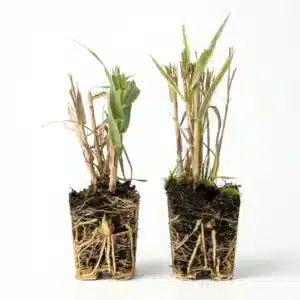
Our Miscanthus rhizomes are carefully selected to guarantee optimum growth and high biomass yields. Sold in batches of 100 or BigBags of ten thousand, they are ideal for farmers looking to integrate this ecological and profitable crop into their operations.
Cultivation recommendations :
- Soil preparation: For best results, it’s essential to prepare the soil properly before planting Miscanthus rhizomes. Make sure the soil is well drained and free of weeds. The soil should be loosened to a depth of 15-20cm to help the rhizomes take root.
- Planting: Plant the rhizomes to a depth of around 5 cm, spaced 75 cm to 1 metre apart. The ideal time to plant Miscanthus rhizomes is between April and May, when soil temperatures are above 10°C.
- Maintenance: During the first year of growth, good weed control is crucial to enable Miscanthus to establish itself. Adequate irrigation is also a plus, especially in drier areas. Once established, Miscanthus requires little maintenance.
- Harvesting: Miscanthus can be harvested from the second or third year of growth. The plant is generally harvested between February and April, when humidity is low and the ground is passable.
- All planting details are explained here
Uses and benefits :
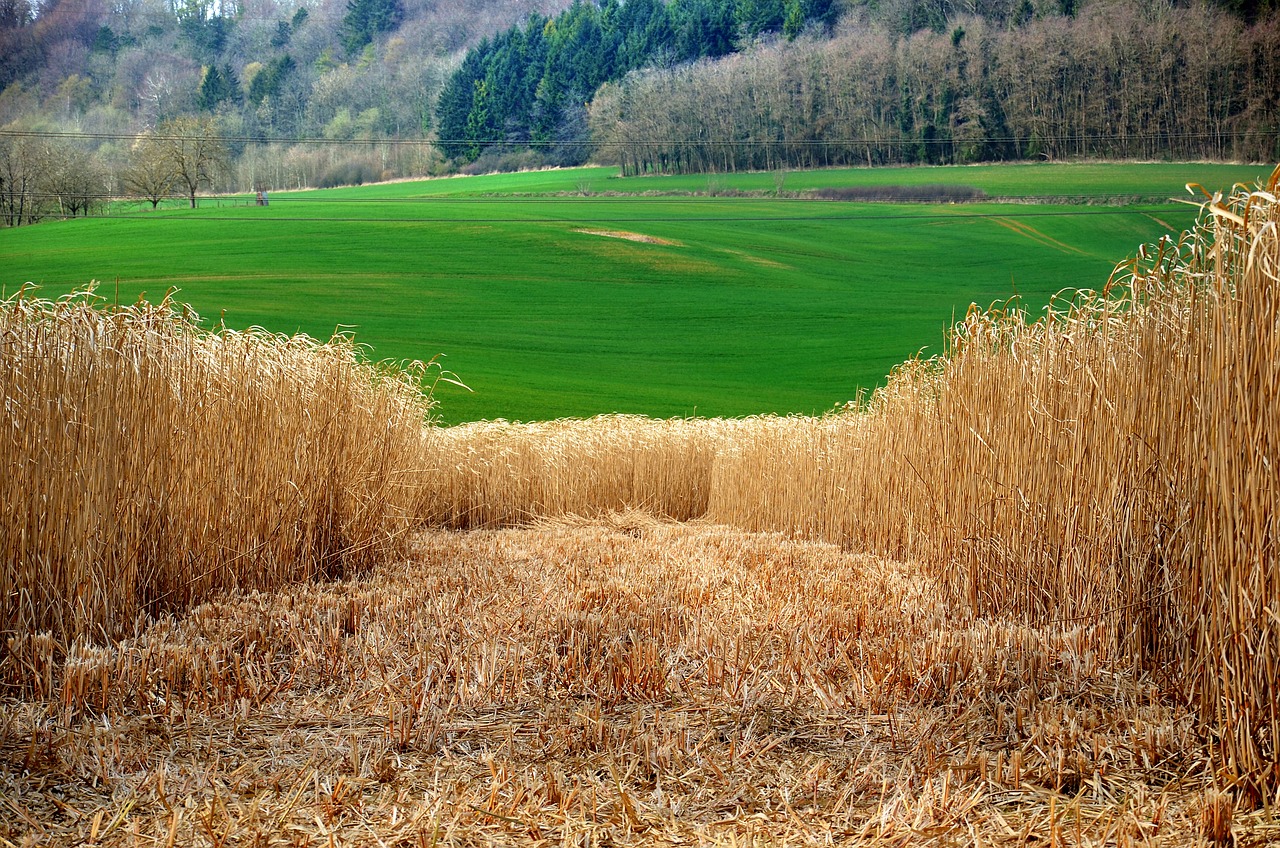
Miscanthus, like bamboo andArundo Donax, is a versatile plant that can be grown for a variety of uses. As an energy crop, it produces fiber-rich biomass, ideal for the production of biofuels and renewable energy. Miscanthus is a versatile plant with a wide range of agricultural and environmental applications. As a mulch, it helps conserve soil moisture, reduces weed growth and improves soil structure. Used as animal bedding, it offers an absorbent and comfortable material, contributing to better hygiene and animal health. Miscanthus also serves as an environmentally-friendly building material, thanks to its insulating properties and low carbon footprint. As such, it represents a renewable and sustainable resource for environmentally conscious farmers.
To find out more about other alternative crops such as Bamboo or Willow, we’ve written about them here.
Find all our miscanthus tips, growing guide, maintenance, uses on our Miscanthus hub
| Weight | 6 kg |
|---|---|
| Packaging | Bag of 100, BIGBAG of 10,000, Bag of 10 |
You may also like…
-
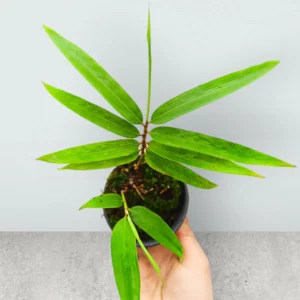
Bamboo plants
Price range: 6,12€ through 6,44€ Select options This product has multiple variants. The options may be chosen on the product page Biomass energy -
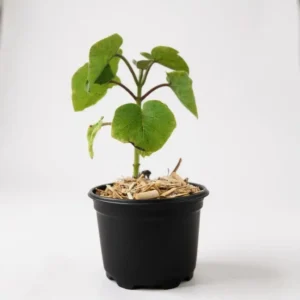
Paulownia Tomentosa plants
6,54€ 6,20€ HT Read more Plants for Biomaterials & Eco-construction (Lumber, Insulation)