The agricultural mix, inspired by the energy mix concept, is an approach that aims to diversify crops and farming practices to create a more sustainable, resilient and productive system. In this article, we will discuss the benefits of the agricultural mix, focusing on biomass production, bio-materials, soil fertilization and the resilience of the farm and society as a whole.
Biomass and bio-materials production: agriculture’s other vocation
One of the main assets of the agricultural mix is the production of biomass and bio-materials. Biomass refers to organic matter of plant or animal origin used to produce energy, biogas, biofuels or bio-materials. The latter, such as bioplastics, composites and textiles, are made from renewable resources and can help reduce our dependence on fossil-based materials.
Biomass energy production
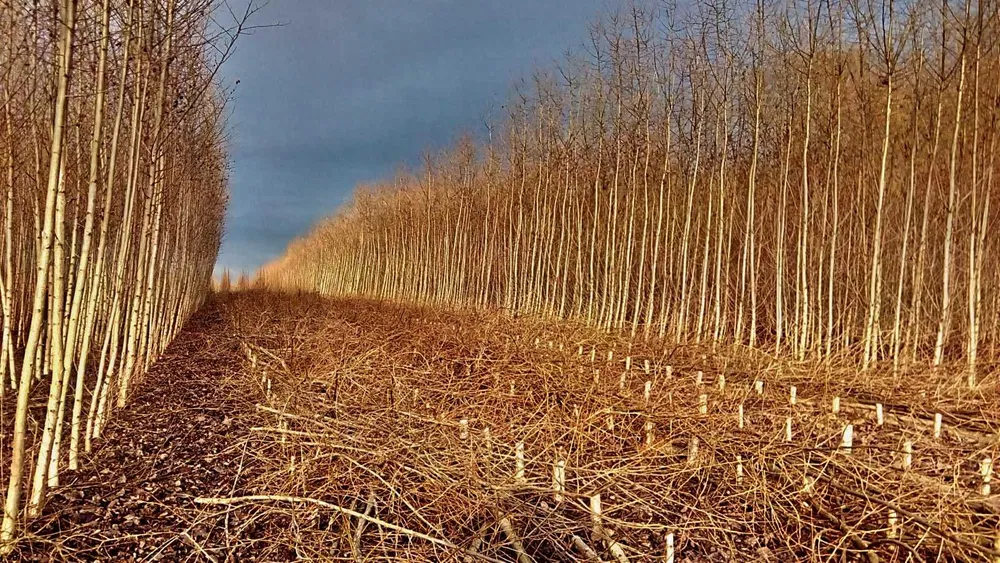
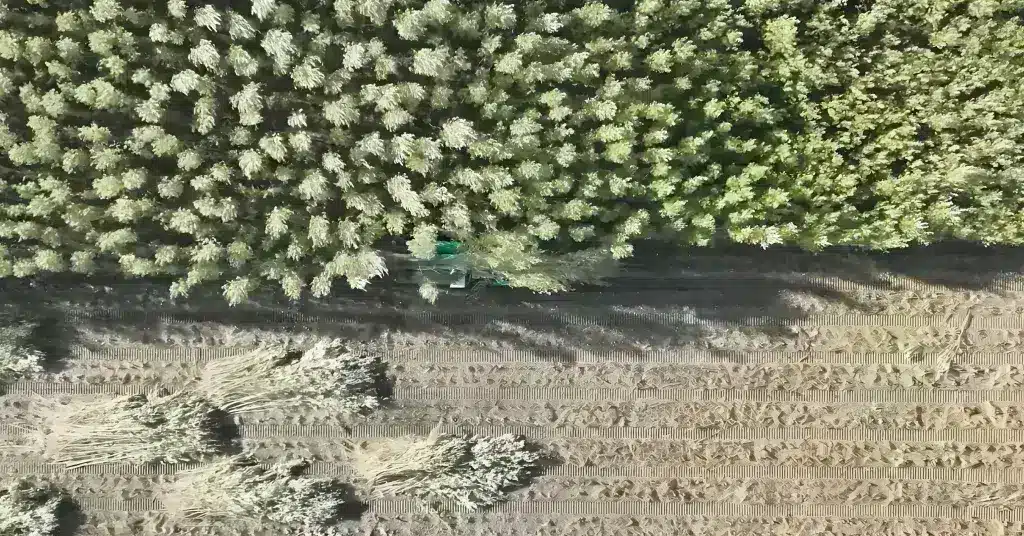
Crop diversification enables farmers to integrate species dedicated to biomass energy production, such as poplar, miscanthus or willow. These crops have the advantage of growing rapidly, fixing CO2 and being harvested to produce energy in various forms (heat, electricity, biogas, etc.). What’s more, local biomass production contributes to energy sovereignty and helps reduce transport costs and greenhouse gas emissions linked to imported fossil fuels.
Production of bio-materials
The agricultural mix also favors the production of bio-materials by encouraging the cultivation of plants such as hemp, flax or miscanthus straw. These renewable materials can replace traditional materials in the construction, automotive and packaging industries, reducing the ecological footprint and promoting a circular economy.
Example: miscanthus panels
These panels are produced by mixing miscanthus particles with a natural resin, then compressing and heating them to form a solid, homogeneous material. Miscanthus panels can be used in the construction, furniture and automotive industries, replacing traditional wood panels or petrochemical-based materials.
Soil fertilization and quality improvement
The agricultural mix improves soil fertility and quality through crop rotation and diversification of crop species. By alternating leguminous, cereal and oilseed crops, farmers can benefit from improved soil structure, reduced erosion and enhanced nutrient bioavailability.
Improving soil quality
Soil quality is a major issue for sustainable agriculture, and the production of carbonaceous matter plays an essential role. Increasing the amount of carbonaceous matter in soils promotes biological activity, which in turn helps improve organic matter levels. Organic matter is a key indicator of soil fertility and health, promoting water retention, nutrient availability and soil structure.
According to Konrad Schreiber, a French agronomist renowned for his research and expertise in soil regeneration, the adoption of environmentally-friendly farming practices such as agroforestry, direct seeding under plant cover (DMCS) and crop diversification can boost the production of carbonaceous matter, thereby enhancing soil quality and fertility.
Diversification of revenue sources
By diversifying their crops and integrating the production of biomass energy or bio-materials, farmers can reduce their dependence on a limited number of crops and thus minimize the financial risks associated with fluctuations in market prices. What’s more, diversifying income sources enables farmers to better withstand the vagaries of the weather and variations in demand.
Agricultural Mix = Agricultural Sovereignty
The agricultural mix also contributes to food, energy and material sovereignty, by promoting local production and reducing dependence on imports.
The reorganization of France’s cropland offers an interesting opportunity to rethink agricultural production priorities. At present, a significant proportion of cultivated land is dedicated to the production of crops for livestock and meat production. However, it is possible to envisage a different distribution of crops, giving greater priority to those destined for direct human consumption, bio-materials, biomass and fertilizers.
Such a reorganization of cultivation areas could have several advantages. Firstly, it would meet the growing demand for plant-based foods, in line with current consumer trends and environmental concerns. By reducing the amount of land dedicated to meat production, France could help reduce its ecological footprint and promote a more sustainable diet.
Furthermore, by devoting more land to crops for the production of bio-materials and biomass, France could stimulate innovation and the creation of new outlets for farmers. Bio-materials, such as miscanthus-based particleboard, offer considerable potential for replacing traditional materials.