AGRIBIOMIX

TCR de peuplier

Short rotation coppice (TCR) vs very short rotation coppice (TTCR): What are the differences?

The sustainable management of forest resources and the growing demand for renewable energy have led to the emergence of new tree cultivation methods, notably short-rotation coppice (SRT) and very short-rotation coppice (VSCR). In this article, we’ll compare these two systems and highlight their respective differences and advantages.

Short rotation coppice (TCR)

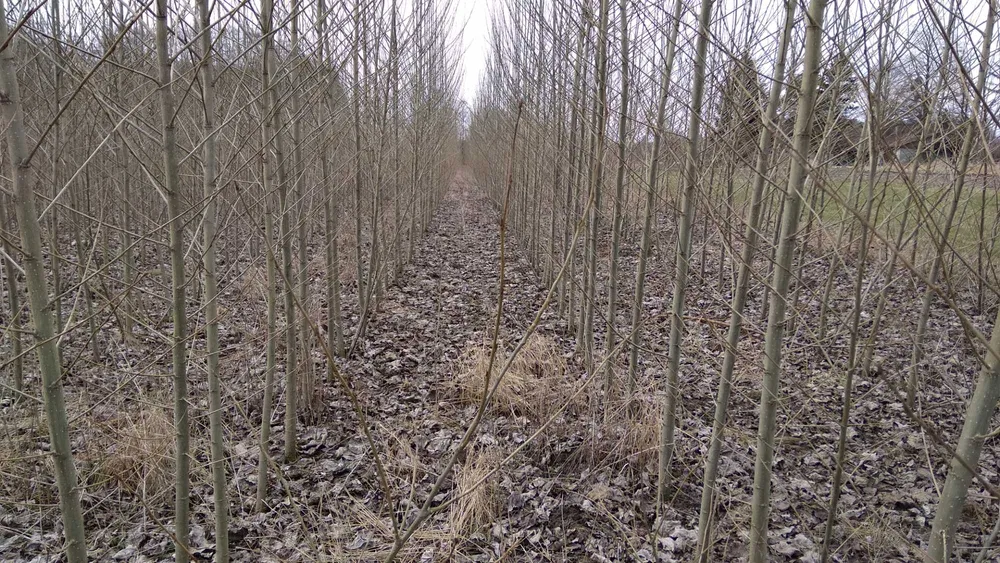
TCR is a system of growing fast-growing trees, generally harvested every 6 to 20 years. It is used to produce wood fuel, building materials and lumber. The most common species used in RCTs include poplar, willow, eucalyptus and some pine species.

Advantages of TCR

  1. Diversified production: RCW can be used to produce a variety of products, such as wood energy, lumber and building materials.
  2. Improving biodiversity: RCW promotes biodiversity by creating diverse habitats for flora and fauna.
  3. Carbon sequestration: Trees grown in RCTs help reduce greenhouse gas emissions by sequestering carbon.

Very short rotation coppice (VSCR)

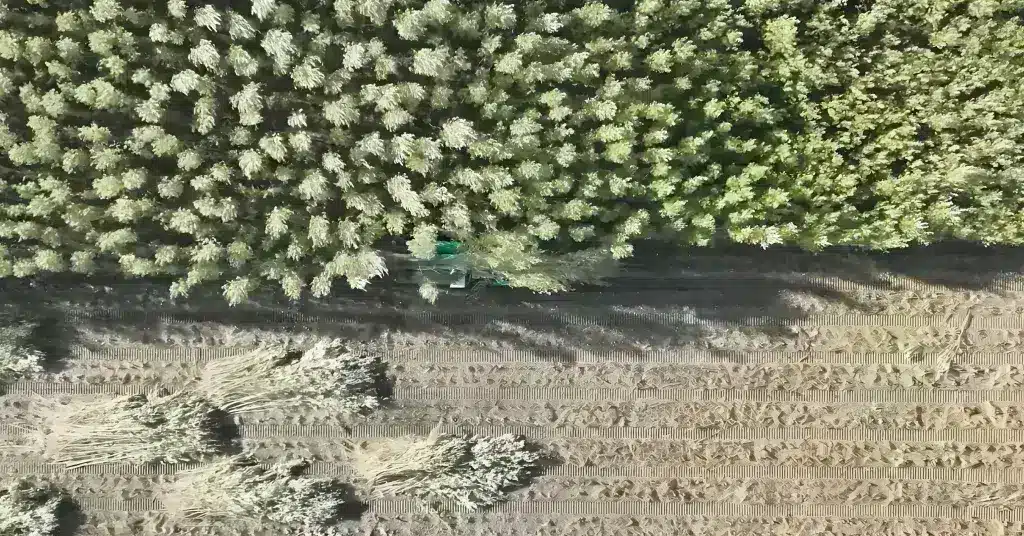
TTCR is a similar method to TCR, but with shorter harvesting cycles, generally between 1 and 5 years. This approach is mainly used for the production of biomass for energy and biofuel production. Species commonly grown for TTCR include willow, poplar and miscanthus.

Advantages of TTCR

  1. High biomass yield: TTCR offers a high biomass yield per hectare per year, enabling efficient renewable energy production.
  2. Rapid rotation: Shorter harvest cycles allow greater adaptability to market changes and resource requirements.
  3. Low impact on soils: TTCR has less impact on soils, as the roots remain in place and help preserve soil structure.

Disadvantages of CRT and TTCR

  1. Initial investment: Both systems require significant initial investment in terms of planting and maintenance.
  2. Limited choice of species: TCR and TTCR are limited to fast-growing species, which may not be suited to all regions or climatic conditions.

Ultimately, the choice between TCR and TTCR will depend on the farmer’s specific objectives, environmental conditions and market demands. TCR is best suited to farms looking for multi-purpose production, including wood energy, lumber and building materials. For its part, TTCR is more appropriate for those focusing on biomass production for energy and biofuel purposes.

These two methods can be progressively implemented on a farm, in an agro-forestry system, on plots far from the farm, to separate plots from each other, or on land considered more difficult.

Other articles