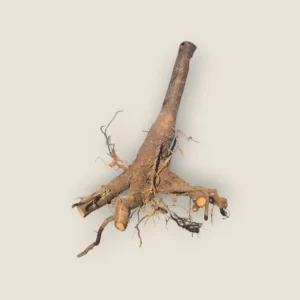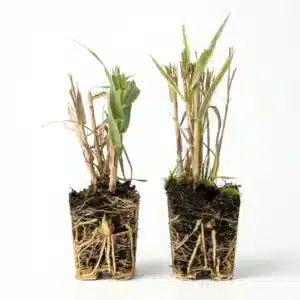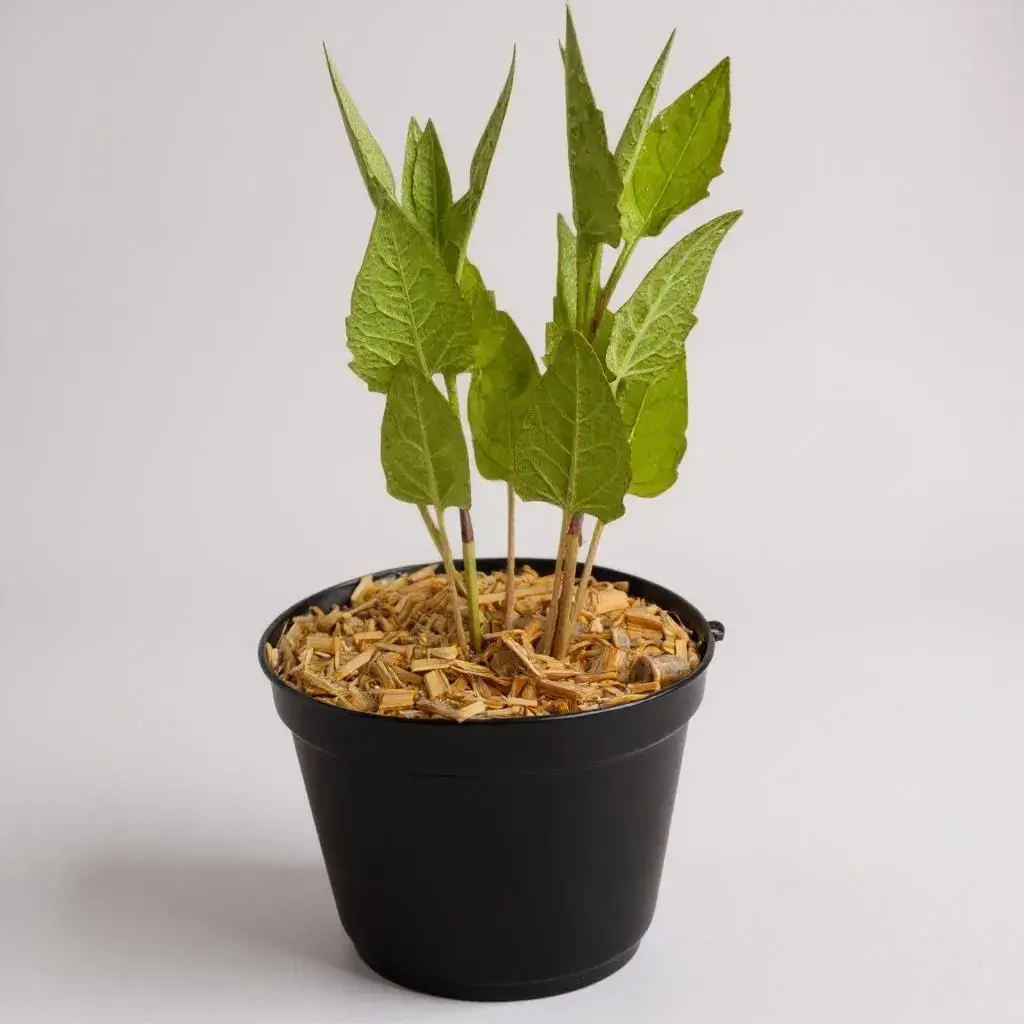
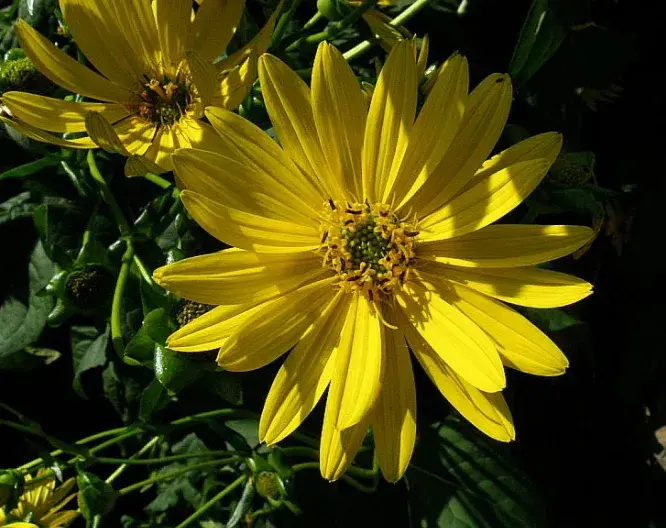
Silphia plants – Silphium Perfoliatum
10,34€ 9,80€ HT
– One-year-old plant, height 15-30 cm.
– 2 L pot, substrate well colonized by roots.
– Miscanthus mulch included: 90% less weeds, -30% less evaporation.
– Perennial meliferous plant, useful entomofauna refuge.
– Hardiness -30 °C.
Availability: 20 in stock
Silphia, a multi-functional perennial plant
Native to the wet meadows of the North American Great Lakes and introduced to Europe in the XVIIIᵉ century, silphia (Silphium perfoliatum) is now cultivated as a perennial energy crop: after the second year, it routinely produces 13-18 t DM/ha, or 6,000-8,000 Nm³ of methane / ha, while remaining in place for over fifteen years; its prolonged summer flowering provides up to 150 kg of honey / ha and offers a sustainable cover favorable to biodiversity. In the garden, it also offers attractive green foliage and distinctive yellow flowers in summer, reminiscent of rapeseed or sunflower fields.
To plant Silphia in good conditions, the soil must be prepared:
– Ploughing or light decompacting
– incorporate one shovelful of compost per plant
Planting
– Place the collar flush with the soil, tamping moderately.
– Water 10-15 L/plant immediately afterwards.
– Immediately apply 5 cm of miscanthus mulch (≈ 3 L per plant): -90% weed emergence and better water retention.
Maintenance
– Hoeing or mechanical weeding
– Slug control first fortnight.
– No tillage in subsequent years: perennial crop.
Irrigation
– Maintain regular watering in the first year, as silphia becomes drought-tolerant in year 2.
Lifespan
– 15-20 years before stand depletion; reinsure if < 80% cover.
Uses:
Forage – 5-15% crude protein depending on stage; keeps well in silage
| Weight | 1,1 kg |
|---|
You may also like…
-
Bare root of Paulownia Shantong 1 year old
Original price was: 10,44€.7,49€Current price is: 7,49€. 7,10€ HT Read more Plants for Biomaterials & Eco-construction (Lumber, Insulation)